
Humanities research should continue, actually
The Odyssey movie would not have been made without a Penn professor's scholarly work. But prominent academics want to roll back humanities research. They're wrong.
You’ve heard of The Odyssey — the movie based on the ancient epic poem that received new attention after University of Pennsylvania classics professor Emily Wilson published a new translation in 2017. In other words, this movie, this huge, money-making cultural event, which is thrilling nerds and jocks alike from sea to wine-dark sea, would not exist without recent humanities research and publication.
The purpose of research in humanities fields like classics, literature, musicology, history, art history, religion, or philosophy is not to generate intellectual property for Hollywood. But the cultural impact of Wilson’s translation demonstrates how research can lead in unpredictably good directions. This work is worth doing because it enriches our common culture.
And yet several prominent academics have argued lately that research is mostly a waste of humanities professors’ time. These writers quite reasonably want their fellow academics to be better teachers. But they contend that good teaching is in a zero-sum competition with research, and that therefore, research should get much less emphasis. As the former literature professor William Deresiewicz recently put it:
I hate to say this now, when the government seems intent on killing scholarship and science altogether, but there is far more research done than anybody needs. The research model was never meant to apply to more than a relatively small number of institutions, but given academe’s incentive structure, especially since the postwar funding boom, it has spread to nearly every corner of the enterprise… Most research should simply stop.
With critics like Deresiewicz and others arguing in different ways against humanities research — alongside social-media debates over the role of expertise in teaching, as well as critiques of overly-politicized academic research — I thought someone needed to speak up on behalf of research. So I did. And, voilà: a new essay from me in the Chronicle Review. (Paywalled, yes, but if you work or study at a college or university, your institution surely has a subscription. And in any case, I think you can read one free article a month at the Chronicle without a subscription.)
In the essay, I focus on how research contributes to the power of undergraduate humanities education to transform students’ lives. I share the critics’ desire that college be transformative for students — indeed, that is what my next book, Dear Student, is about. But when I was teaching theology full-time, I found that I was better able to teach a potentially transformative class because my teaching was so closely connected to research. Indeed, I published at least four peer-reviewed papers that came straight out of questions my students and I addressed in class.
Above a gate to the grounds of the university where I earned my Ph.D., there’s a quote from the university’s founder: “For here we are not afraid to follow truth wherever it may lead, nor to tolerate any error so long as reason is left free to combat it.” The first half of that quote, I think, should be all the refutation we need of the critics of humanities research. Follow the truth wherever it may lead, even if it leads you to the article databases, the archives, the conference-room podium, or the pages of an academic journal. It may take years to get a publishable result if you teach a heavy courseload. Or you may never publish anything from the research. The inquiry is still worthwhile. And it makes no sense to cut off the potential of that research before you even begin.
An aside: Deresiewicz’s description of what a college humanities department ought to look like is funny to me, because that’s what it already looks like at most colleges! When I taught at a teaching-intensive college, I talked with my colleagues about teaching all the time. I kind of want to go point-by-point with all of the mischaracterizations of his essay, but I have other things to worry about.
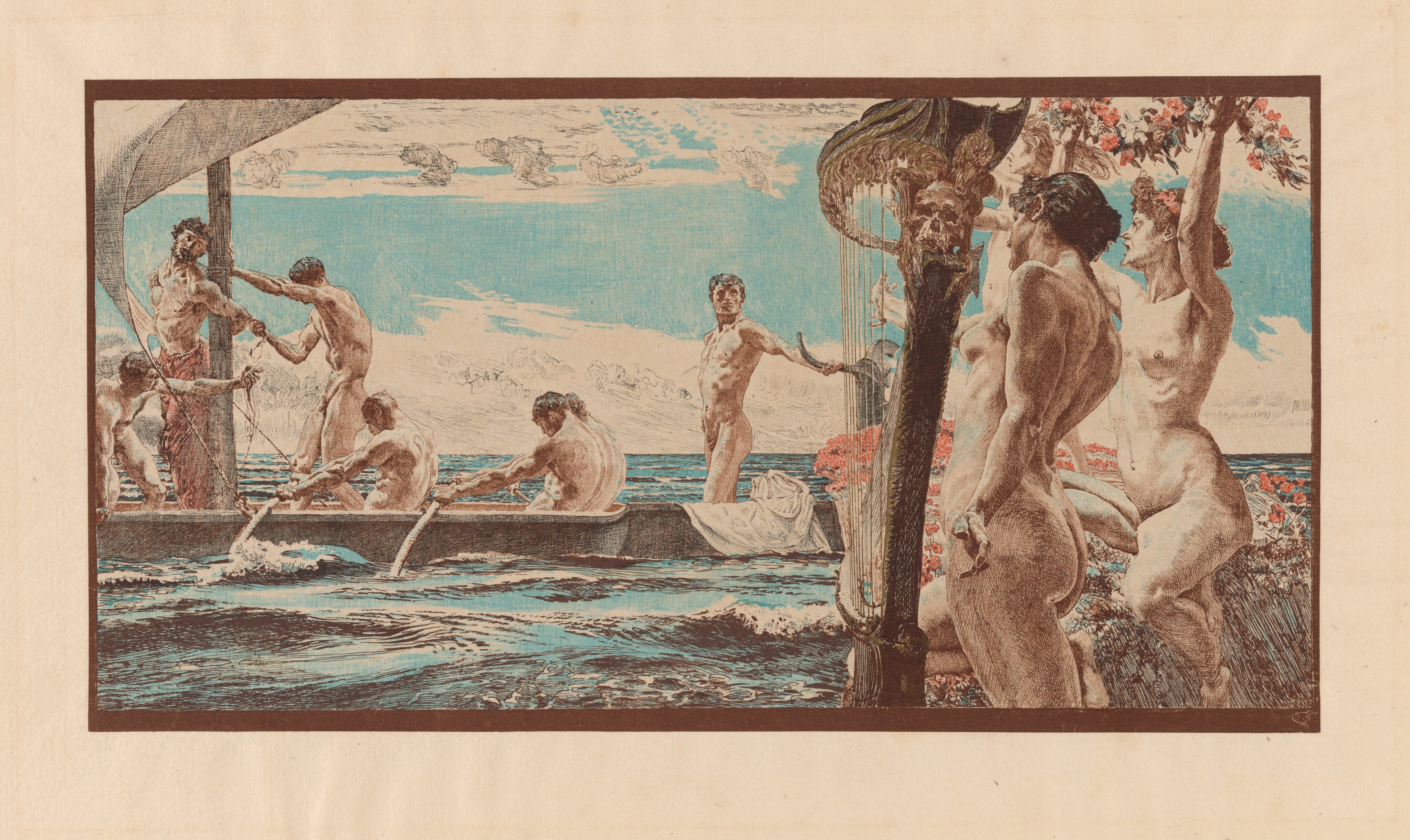
Now maybe the critics want to say, “Sure, good scholarship is still worth doing, just not all the junk scholarship that wastes everyone’s time.” OK, fine, but how do you know, in advance, what is going to be good scholarship, and what is junk? This is like an investor saying their strategy will be to put money only in startups that are going to be big, profitable companies in ten years. Or a sports team saying it is only going to draft players who are future all-stars. Great idea! Now, if only there were a foolproof way to sort out future winners from losers, well before they’ve had a chance to prove themselves.
Maybe there could be a means to sift the good scholarship from the bad. Maybe there could be a system where scholars submit their research papers to a panel of experts who can then offer feedback on early results and judge whether the papers are publishable. And then, once those papers are published, their impact can be measured by how many subsequent papers cite them. After a decade, it would be a little clearer what they important results were. Maybe we could just do that?1
I want to send a special word of thanks to Dr. Marguertie Mayhall, who teaches art history at Kean University in New Jersey, for speaking with me about how research informs her teaching. Some of our conversation made it into the essay. We spoke for a while; the few quotes in the essay don’t do justice to everything I gained from the interview.
(One more plug to read the Chronicle Review article.)
The return of burnout
I’ve been surprised to receive a few requests lately for interviews about burnout. Surely we had gotten over that! But no, it would seem we still have problems at work. So, true to the likely-to-be-changed name for this newsletter, here are a few things about burnout for which I was interviewed recently:
“How to Fight Burnout” on Vox’s “Explain It to Me” podcast with Jonquilyn Hill
“When Work Becomes Your Personality” on Zack’s Explainers YouTube channel
“The Burnout Economy & My Quest for a Good Night’s Sleep” on Hanna Horvath’s “Your Brain on Money” newsletter
These journalists, working in audio, video, and text, were all wonderful to speak to, and I’m impressed by the quality of what they produced — even apart from the fact that they thought well enough of my work to feature me in it. Please check them out!
Note to normal people: This is the academic publishing system as it currently exists.